A Transformative Wave in Global Music Production
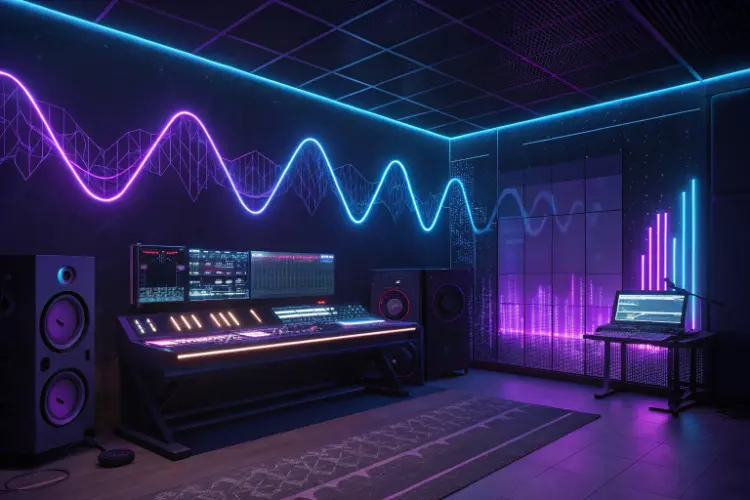
The music industry is undergoing a seismic shift as AI-generated music experiences rapid adoption among artists, producers, and labels worldwide. What began as experimental technology has evolved into a powerful creative accelerator, enabling musicians to craft high-quality compositions with unprecedented speed, precision, and artistic flexibility.
Artists Turning to Intelligent Tools for Inspiration and Production
From independent creators to chart-topping performers, musicians are increasingly leveraging AI platforms for melody generation, vocal engineering, mixing support, and stylistic experimentation. These tools empower artists to break creative blocks, explore diverse genres, and refine soundscapes that traditionally required extensive studio resources.
Collaborative Creativity, Not Replacement
Industry leaders emphasize that AI is supplementing—not replacing—human artistry. Producers are using intelligent systems as creative partners that amplify imagination rather than automate expression. By handling repetitive technical tasks, AI allows musicians to focus on emotional storytelling, conceptual design, and performance excellence.
Redefining Music Accessibility and Opportunity
AI music platforms are democratizing creation for emerging artists with limited budgets or equipment. High-quality production is no longer restricted to elite studios, opening new opportunities for global talent discovery. This shift is reshaping the competitive landscape, allowing creators from diverse backgrounds to enter the market with professional-grade work.
Industry Monetization Through New Digital Models
The surge in AI-generated soundtracks has sparked new revenue streams, including licensing for films, advertising, gaming, and virtual experiences. Record labels and streaming platforms are rapidly adapting contractual frameworks to accommodate hybrid AI-human compositions and royalty-sharing formats.
Debates Surrounding Authenticity and Intellectual Ownership
As the technology advances, conversations around copyright, voice replication, and authenticity remain central to regulatory planning. Policymakers and music associations are establishing new guidelines that protect original creators while enabling innovation and fair commercial usage.
Fans Embrace AI-Driven Music Experiences
Audiences are increasingly engaging with personalized music generated by algorithms tuned to mood, preference, and real-time emotional responses. Live events and virtual concerts are incorporating AI sound design to deliver immersive, adaptive audio environments that evolve moment-by-moment.
A Future Built on Smart Creative Partnership
The next era of music is expected to blend human emotion with machine precision, producing breakthroughs once considered impossible. As one producer remarked, “AI doesn’t replace creativity—it expands the canvas. The artists who embrace it will define the future of sound.”