Market Turbulence and Immediate Reactions
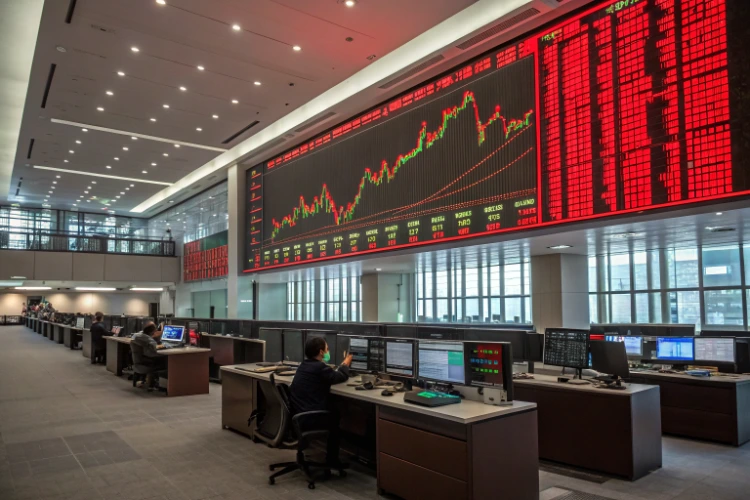
Global financial markets experienced a wave of intense volatility this week as geopolitical tensions, unexpected economic data, and shifting central bank signals combined to rattle investor confidence. Equity indices saw sharp intraday swings while bond yields and commodity prices moved erratically, prompting portfolio managers to reassess short-term risk exposures and liquidity positions.
Traders described the environment as “fast-moving and correlation-driven,” where assets that normally move independently began to react in unison, amplifying market moves and complicating traditional hedging approaches.
Drivers Behind the Shift
Several key forces contributed to the market turmoil: higher-than-expected inflation readings in major economies, surprise changes in energy supply forecasts, and renewed concerns about global growth. These factors combined with persistent questions over the timing and magnitude of central bank policy adjustments, creating uncertainty about the path for interest rates and corporate earnings.
Portfolio Rebalancing and Asset Allocation
In response, institutional investors and wealth managers are actively rebalancing portfolios. Many are trimming concentrated equity positions, increasing allocations to shorter-duration bonds, and selectively adding alternative assets perceived to offer downside protection. Cash reserves have often been increased to preserve optionality amid uncertain market direction.
Wealth advisors report a surge in client requests for defensive positioning and clearer explanations of how portfolios will perform under multiple macro scenarios.
Rise in Tactical and Quantitative Strategies
Tactical asset managers and quantitative funds have seen heightened activity as they deploy algorithmic strategies designed to exploit short-term dislocations. Momentum and volatility-targeting approaches have been recalibrated, while some hedge funds are adding tail-risk protection to guard against extreme moves.
Risk Management and Liquidity Concerns
Market participants stressed the renewed importance of liquidity management. Margin calls, funding costs, and the potential for crowded trades to unwind quickly were flagged as immediate risks. Institutional risk teams are running stress tests and scenario analyses to evaluate exposure under prolonged volatility and rapidly changing rate expectations.
Policy Responses and Regulatory Watch
Central banks and fiscal authorities are being closely monitored for any signals of intervention or guidance to stabilize markets. Regulators have reiterated the need for orderly markets, while some policymakers emphasize communication clarity to reduce uncertainty. Investors are watching closely for any coordinated efforts to support liquidity or ease market functioning.
Outlook and Strategic Considerations
While volatility is expected to remain elevated in the near term, many strategists argue this environment also creates selective opportunity for disciplined investors. Long-term frameworks that prioritize diversification, active risk controls, and scenario planning remain central to navigating the current landscape. As one market strategist put it, “Volatility tests conviction — the investors who plan for uncertainty are best positioned to capitalize when calm returns.”
In the weeks ahead, market direction will likely hinge on incoming economic data, central bank commentary, and developments on geopolitical fronts. For now, investors are prioritizing capital preservation, tactical flexibility, and transparent communication with stakeholders.